Solutions for Publishers
An Operating Model That Keeps Editions, Condition, and Returns Boring Publishing breaks when the unit is ambiguous: identical editions, drifting ISBN/EAN mapping, or returns contaminating stock. Small ambiguity becomes constant rework under launches and retailer requirements. 3PL SPAIN runs controlled publisher operations from Valencia—explicit edition identity, inventory proof, consistent carton/pallet logic, and returns triage. Goal: keep handoffs calm and execution uneventful. If the data is missing, we don't accelerate: we clarify. Primary actions: Talk to operations · Map your publisher flow
- Operating model
- Failure modes
- Execution routes
OVERVIEW
What Makes Publishing Logistics Specific (It's Rarely "Speed")
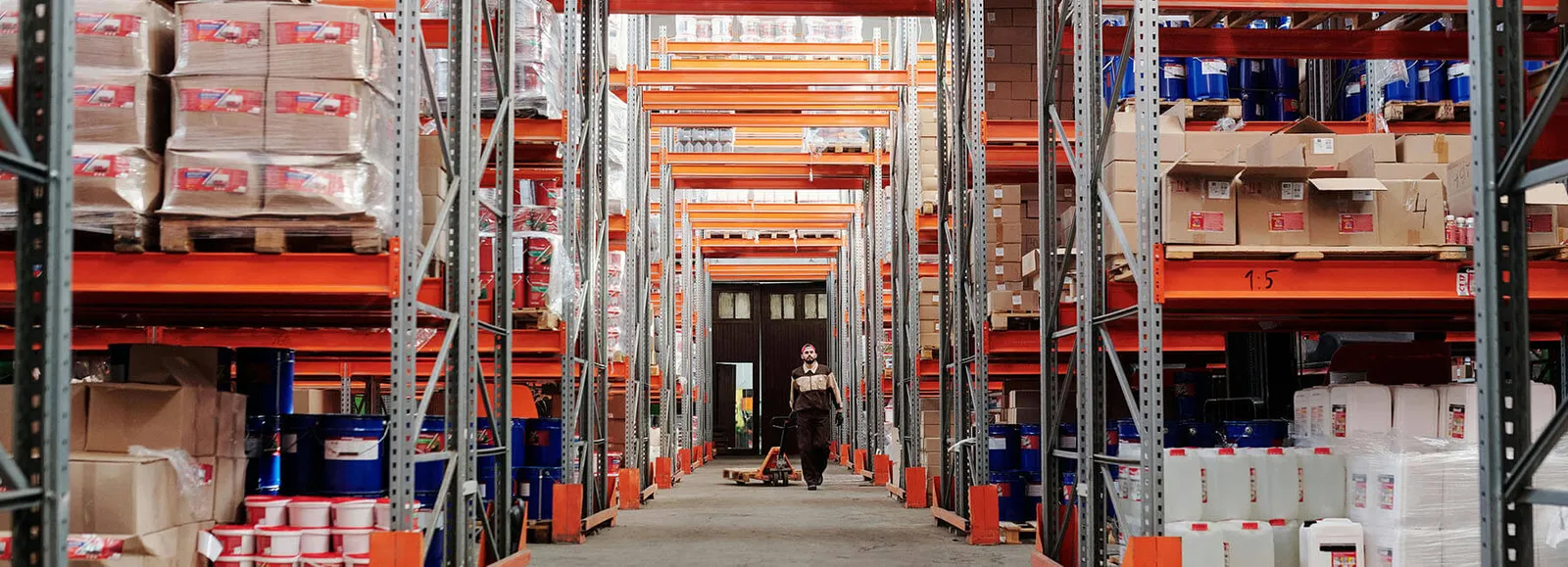
Publishing is an identity and condition business. The operation lives or dies on clarity: which edition is this, what exactly counts as a sellable unit, and what happens when it comes back.
When identity and condition rules aren't explicit, the same symptoms repeat: edition mix-ups (hardback vs paperback, new cover vs old), incorrect carton content, damaged corners from protection mismatches, and returns that come back as "probably fine." None of this feels dramatic—until it shows up as retailer disputes, chargebacks, reships, and margin leaking through quiet rework.
Throughput vs. Proof: Publishing Rewards the Second

OPERATING MODEL
Publisher Readiness as a Controlled System: Edition Truth → Carton Logic → Returns Triage
We don't position this as "publisher fulfillment." Fulfillment is an execution block. The solution is the operating model that keeps edition identity, carton content, and returns under control.
1. Edition Identity That Stays Stable
ISBN/EAN mapping: We require explicit rules for how editions relate to identifiers. If a reprint comes with a new ISBN, we treat it as a separate edition operationally. Version control prevents the most common publishing error: a new cover arriving with a new barcode, mixing with the old edition on the shelf, and causing picker confusion. When a hardback and paperback share the same title but different ISBNs, we confirm: separate locations or same location with barcode verification? We lock this rule before receiving.
2. Receiving with Verification
We verify what arrived against what was expected and keep nonconforming stock segregated. A reprint with subtle cover differences needs to be locked in at receiving—not discovered during picking. When a reprint's cover changes slightly (updated author photo, new blurb), we scan and visually confirm it matches the expected ISBN before stocking.
3. Carton and Pallet Logic as a Spec
Pack counts, mixing rules, labels, and pallet constraints are treated as repeatable instructions—not memory. Carton content must be truthful: if a PO calls for 10 copies per carton, every carton ships with 10 copies. We don't improvise. For retail accounts, we confirm: can a carton mix different ISBNs, or is each carton single-edition? We document and verify before dispatch.
4. Inventory Truth
System matches the shelf. Reconciliations happen when reality and system disagree, so availability stays provable. Publishing inventory that isn't traceable creates shortage surprises at dispatch. Books are heavy and damage easily—we track condition separately (sellable vs. damaged) so retailers don't receive surprise surprises.
5. Returns Triage with Condition Grades
Clear decisions: sellable, rework, nonconforming. Value is recovered without polluting inventory. Condition grading is structured by rules, not judgment. A dog-eared spine is sellable; a torn dust jacket is rework or nonconforming depending on the spec. We grade every return and document the reason so repeat damage patterns become spec updates.
LAUNCH PEAK PLANNING
How We Prepare for Title Releases Without "Event Mode" Chaos
Launches and preorder windows don't just add volume; they add change: new editions, new packaging, new B2B requirements, and more last-minute adjustments. A major title release might involve coordinated shipments to retail, pre-orders to consumers, and distributor allocations—all with different carton requirements.
Peak readiness is mostly about removing ambiguity before the wave hits:
- Lock edition/ISBN mapping rules (what applies, and since when). If a title launches in hardback and paperback simultaneously, we confirm: are they shipped from the same location? Can they be stored adjacent, or must they be separated? Does the retailer accept mixed cartons, or is each carton single-edition?
- Lock carton content rules (what can/can't mix; pack counts). Does a retailer order allow two different ISBNs in one carton, or only one? If one title sells out before another, do we hold the second shipment or ship partial?
- Lock protection and pack-out specs (what must not drift). Books are fragile—damaged corners make returns. We specify protection upfront and verify it during dispatch.
- Lock B2B/retail constraints when applicable (labels, pallets, docs). If a retailer requires SSCC labels, ASN notification, and specific pallet heights, we execute these consistently, not as special requests.
- Freeze non-essential change during the peak window (new exceptions, new "temporary" pack-outs). Mid-peak changes create confusion and errors.
B2B DISTRIBUTION
Publisher-Specific Distributor and Bookstore Compliance
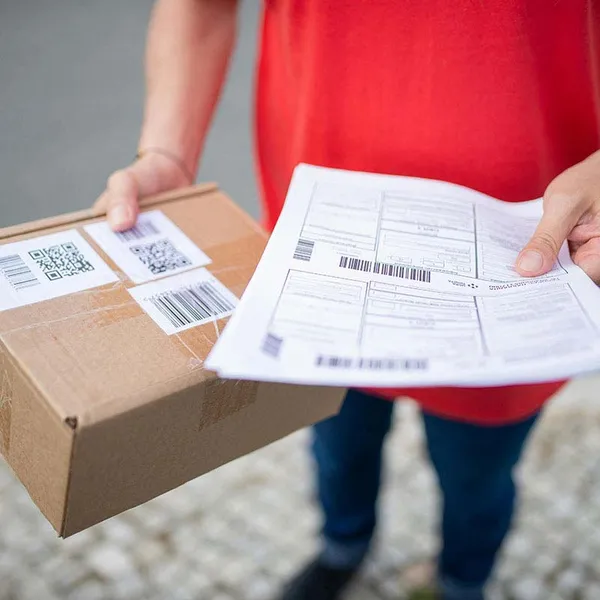
For wholesale and retail channels, carton and pallet logic must align to retailer expectations. Bookstore chains have specific requirements: pallet heights, label placement, SSCC standards, and packing list formats. A major retailer might require 10 cartons per pallet at a max height of 150cm; another might allow 12 cartons at 160cm. If we get this wrong, the entire pallet is rejected at the dock.
When B2B is part of your channel mix, we confirm and document:
- Retailer/distributor routing guides and vendor manuals (version control and update frequency)
- Carton labeling requirements (format, fields, placement, and whether they differ by retailer)
- Pallet build rules (height, weight, mixing rules—and whether you allow ISBN mixing or single-title pallets)
- ASN/appointment requirements (what must be sent, when, and by whom—carrier, shipper, or warehouse?)
- Documentation set (packing lists, delivery notes, any compliance docs, and whether they're printed or digital)
- Handling for returned or damaged cartons at receiving (does the retailer reject the whole pallet, or just damaged units?)

FAILURE MODES
Where Publisher Operations Break (And Why They Repeat)
Publisher operations tend to break in predictable places:
Edition Ambiguity
Similar covers, format changes, or reprints executed as "same title" operationally. The picker grabs a hardback when the order calls for paperback because the bins weren't separated. Solution: explicit location discipline and barcode verification by edition.
Identifier Drift
ISBN/EAN mapping changes between runs without clean version control. A reprint arrives with a new barcode but receives as the old version. Solution: version control enforced at receiving.
Mixed Cartons
Content doesn't match what the PO expects, causing splits and disputes. A carton labeled "10 copies, ISBN 123" ships with 8 copies or with two different ISBNs. Solution: carton-level verification before dispatch.
Condition Damage
Corners, spines, and wraps damaged by protection choices or handling. Books are heavy and fragile—inadequate packaging or careless handling causes damage visible on arrival. Solution: spec-driven protection by format.
Returns Contamination
Restocking without grades, quarantines, or rework boundaries. A damaged book gets re-stocked and returned again by the next customer. Solution: returns triage with clear acceptance thresholds.
SERVICES IN SCOPE
Services in scope for publishers
Execution modules are linked, not merged. These are the service blocks publisher operations run on; each has its own SOP page covering how the block is executed.
Warehousing
Bulk storage for editions, backlist and frontlist — with FIFO when shelf life matters and clear separation of carton/pallet stock.
Fulfillment
D2C order execution: individual readers buying directly, shipped quickly and packaged to arrive undamaged.
Inventory control
Edition truth — ISBN, language, format, reprint — with cycle counts that catch drift before it propagates to the catalogue.
Returns
Retailer returns and reader returns triaged separately; resellable copies go back, damaged copies get clear disposition.
Labeling
Language-correct labels, compliance markings and retailer-mandated stickers applied before dispatch, not after rejection.
B2B fulfillment
Retailer orders move on different cadence — pallet or carton, EDI-driven, with the labeling and packaging spec each chain requires.
OPERATING BASE
Eastern Spain — Practical Access and Controllable Handoffs
We operate from the Valencia region in Spain. For publishers distributing across Spain and the EU, Valencia is a practical base—especially when launches require calm throughput and returns need a real triage path.
We don't publish the exact warehouse address on the website, but in a qualified conversation we'll share the operational details you need to plan the flow.
Talk to operations

LIMITS
LIMITS
We don't promise what we can't control. We don't run cold chain or temperature-controlled logistics, we don't handle ADR classes 1 and 7, and we don't operate as storage-only. If a requirement isn't confirmed in your inputs, we treat it as case-by-case and clarify it before execution.
WHO THIS FITS
WHO THIS FITS
This approach is a strong fit when you value controlled identity and predictable deliveries over fast promises. Typical fits include:
- Publishers with multiple editions per title (format and cover variations)
- Teams running launches and preorder windows that create change pressure
- Operations where returns volume requires true condition grading
- Wholesale/retail flows with carton/pallet constraints
- Teams that want rules and proof, not "we'll sort it out later"

NEXT STEP
Map Your Publisher Flow (We'll Tell You Where Control Is Leaking)
If you want a useful reply, send us: - Your title/edition list and ISBN/EAN mapping - A sample wholesale PO and any retailer constraints (carton/pallet/labels/docs) - Your pack counts and carton content rules - Your returns policy and what "sellable" means operationally - Your launch calendar (preorders, releases, promo windows) - The exceptions you see most (edition mix-ups, damages, rebuilds, disputes) We'll respond with what we would standardize first, which controls remove the most repeat surprises, and which service modules should own each part of the flow—so the model stays clean instead of becoming a patchwork. Primary actions: Talk to operations · Map your publisher flow
Map your flowFAQ