Solutions for Fashion Brands
An Operating Model That Keeps Variants and Returns Boring Fashion breaks when the unit is ambiguous: size/color variants that look identical, barcodes drifting, or returns contaminating stock. Small ambiguity becomes constant rework under drops and seasonal peaks. 3PL SPAIN runs controlled fashion operations from Valencia—explicit variant identity, consistent pack-out specs, inventory proof, and returns triage. Goal: make the day-to-day boring. If the data is missing, we don't accelerate: we clarify. Primary actions: Talk to operations · Map your fashion flow
- Operating model
- Failure modes
- Execution routes
OVERVIEW
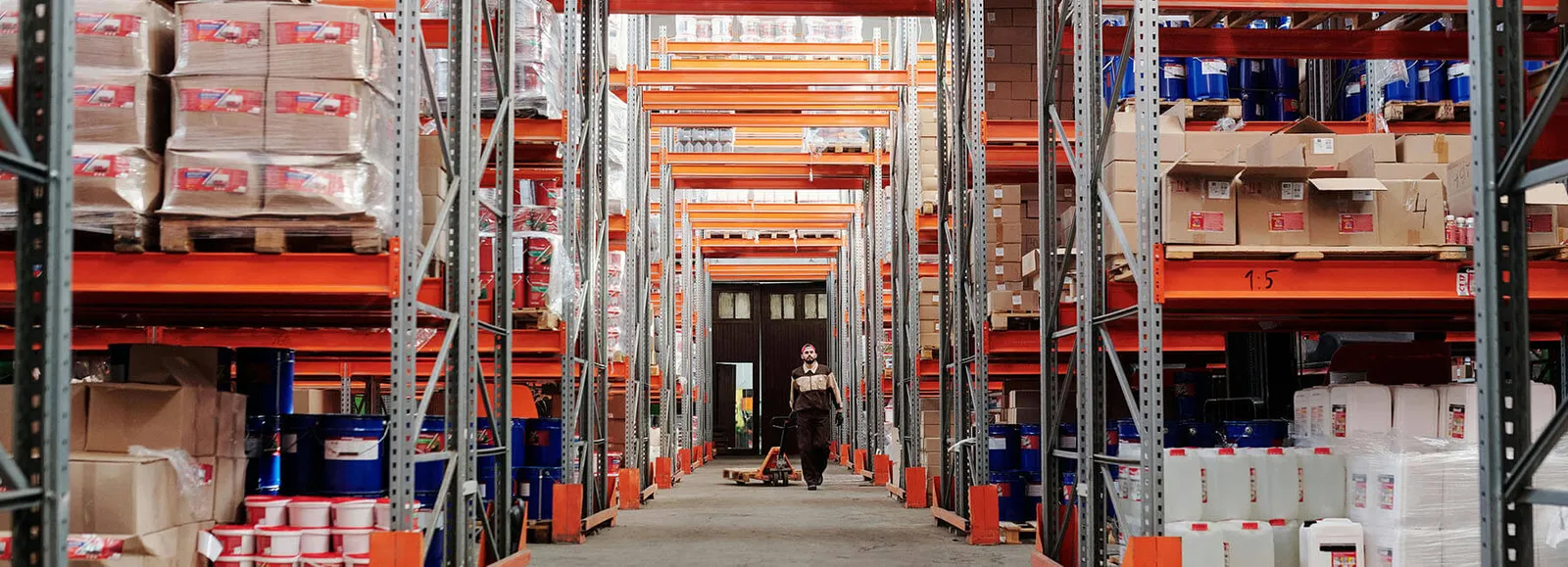
What Makes Fashion Logistics Hard (It's Rarely "Speed")
Fashion is a variant business. The operation lives or dies on clarity: what exactly is this unit, what exactly should it look like at dispatch, and what happens when it comes back.
When variant identity is fuzzy, the same symptoms repeat: mis-picks between near-identical sizes/colors, presentation drift (folding, inserts, tissue, seals), damaged units from inadequate protection, and returns that re-enter stock as "probably ok." None of this feels dramatic—until it shows up as higher return rates, more customer service load, and margin leaking through quiet rework.
Speed vs. Consistency: Fashion Rewards the Second
OPERATING MODEL
The Controlled System: Variant Truth → Pack-Out Spec → Returns Triage
We don't position this as "fashion fulfillment." Fulfillment is an execution block. The solution is the operating model that keeps variant identity, pack-out, and returns under control.
1. Variant Identity That Stays Stable
SKU/variant mapping: We require explicit rules for size/color logic, barcode assignment, and version control. Similar items don't get stored next to each other unless bin discipline and barcode labeling remove all guess work. Variant separation prevents the most common fashion error: the wrong size shipped because two SKUs looked identical on the shelf. When a brand has multiple colorways of the same size, we confirm: does each color get a unique barcode, or is color embedded in the order detail? Does the picker scan and confirm size from the barcode, or do they rely on the carton label? We lock these rules before receiving to eliminate the ambiguity that causes rework.
2. Pack-Out as a Written Spec
Folding, inserts, tissue, seals, and protection are treated as repeatable instructions—not memory or improvisation. We document what "complete" looks like with examples when the spec is complex. Pack-out samples are kept as reference during peak periods so execution doesn't drift between shifts. A folded garment should look the same at 8 a.m. and 4 p.m. If tissue type changes, if inserts are optional, or if hang-tags vary by channel, these are written constraints. We photograph reference units so there's no debate about what "finished" means.
3. Inventory Truth
System matches the shelf. Reconciliations happen when reality and system disagree, so availability stays provable and losses become visible instead of hidden. Fashion inventory that isn't traceable creates surprises at packing and with customers. We reconcile periodically and adjust system records when discrepancies appear. Shrinkage or discrepancies are recorded as exceptions and trigger review.
4. Returns Triage with Grade Rules
Clear decisions: sellable, rework, nonconforming. Value is recovered without polluting inventory. Returns grading is a structured process, not ad-hoc judgment. Fashion returns are complex because condition is subjective—so we lock acceptance thresholds and re-stocking rules upfront. A stain under 5cm is sellable; a stain over 5cm is rework or nonconforming. A missing tag is sellable if the brand allows it; otherwise it's rework. We confirm these rules before operations start so every returns processor applies the same standard.
5. Exceptions with Boundaries
Nonconforming stock stays segregated and rework is defined by specification, not improvisation. If a garment is stained, it doesn't go back to sellable shelving. It goes to a rework zone where it's either reprocessed (washed, re-tagged) or marked for liquidation. This boundary prevents the quiet contamination of sellable stock with damaged goods.
SKU COMPLEXITY
How We Handle Size and Color Variants Without Silent Substitutions
SKU/Variant Mapping: The foundation of error-free fashion fulfillment. We map size/color to barcode with explicit rules: does each color get its own barcode, or does size change within the same color code? We confirm this before inbound arrives. For example, a t-shirt brand might use SKU 12345 for black and SKU 12346 for navy; or they might use 12345-BLK and 12345-NVY. We document the exact structure and train accordingly.
Bin Discipline: Visual similarity is the enemy. We separate look-alikes by location and barcode. If two products look nearly identical, we don't store them adjacent or assume pickers will "check the label." A classic error: a size small and size medium t-shirt in the same color look the same at arm's length. We flag these pairs in our location system and force physical separation or enhanced labeling.
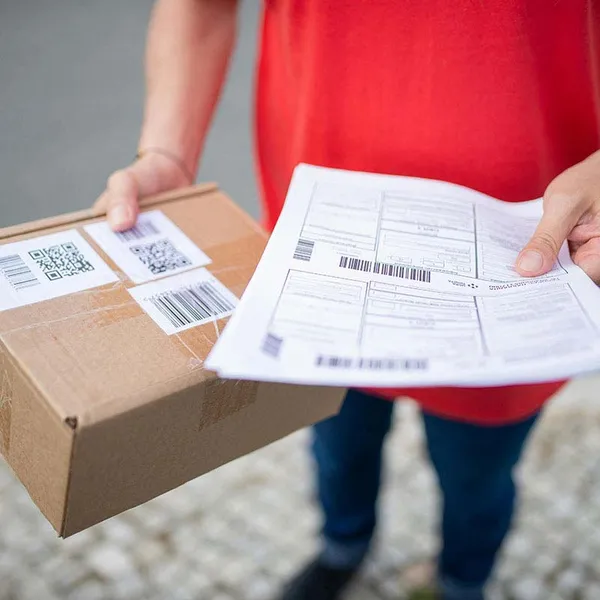
Barcode Consistency: Barcodes should not change between manufacturing runs. If they do, we apply a version rule: old run ships until stock clears, then new run. No mixing between versions. When a reprint arrives with a new barcode, we hold the old barcode in a separate location until sellable stock is zero.
PEAK READINESS
How We Prepare for Seasonal Collections, End-of-Season Operations, and Campaign Launches Without Chaos
Drops, sales windows, and seasonal transitions don't just add volume; they add change: new variants, new packaging, new inserts, and more last-minute decisions.
Peak readiness is mostly about removing ambiguity before the wave hits:
- Lock variant rules (SKU structure, barcode logic, where size/color lives)
- Lock pack-out specs (folding, inserts, tissue, seals, protection)
- Lock returns grading rules (what is sellable, what is rework, what is nonconforming)
- Freeze non-essential change during the peak window (new exceptions, new "temporary" pack-outs)
- Keep a clean exception path (segregation and rework rules, not ad-hoc decisions)

FAILURE MODES
Where Fashion Operations Break (And Why They Repeat)
Fashion operations tend to break in predictable places:
Variant Ambiguity
Similar SKUs, inconsistent size labels, colorways that look the same in bins. Two near-identical variants in adjacent locations invite picks to the wrong bin, and the mistake doesn't show until the customer complains. Solution: explicit location discipline and barcode verification.
Barcode Drift
New runs ship with changed barcodes or mixed labels without a clear rule. The picker scans the right unit but it's the wrong version. Solution: version control for every barcode change and a freeze window before major peaks.
Presentation Drift
Folding, tissue, inserts, hangtags, seals applied inconsistently across shifts. Customers notice. Returns increase. Solution: written pack-out spec with samples, not memory.
Protection Mismatch
Polybags, cartons, or void fill not aligned to product fragility and returns expectations. Damaged garments look like quality failures. Solution: spec-driven protection by category.
Returns Contamination
"Put it back" decisions without a grade, leading to repeat returns and disputes. A stain that failed quality on day one gets re-stocked and returned again. Solution: returns triage with clear acceptance thresholds.
SERVICES IN SCOPE
Services in scope for fashion brands
Execution modules are linked, not merged. These are the service blocks fashion operations run on; each has its own SOP page covering how the block is executed.
Fulfillment
The daily pick/pack/dispatch engine for DTC orders — sized, variant-correct, and shipped without size-confusion errors.
Inventory control
Variant truth across colours, sizes and dropped collections — without this layer, fashion inventory drifts within weeks.
Returns
Fashion runs 20-40% return rates; triage decides what goes back to vendable, what gets rework and what does not.
Pick and pack
Per-variant accuracy is the difference between a happy DTC customer and a refund — SOPs, scan-verify, no guessing.
Quality control
Fabric defects, missing components, wrong embroidery — caught at the QC gate before they ship, not after they come back.
Value-added (VAS)
Retail-prep, gift packs, embellishment, multi-piece sets — the operations that make a fashion catalogue executable at scale.
OPERATING BASE
Eastern Spain — Practical Access and Controllable Flow
We operate from the Valencia region in Spain. For fashion brands shipping across Spain and the EU, Valencia is a practical base—especially when you run drops, need clean returns triage, and want pack-out consistency to survive peaks.
We don't publish the exact warehouse address on the website, but in a qualified conversation we'll share the operational details you need to plan the flow.
Talk to operations

LIMITS
LIMITS
We don't promise what we can't control. We don't run cold chain or temperature-controlled logistics, we don't handle ADR classes 1 and 7, and we don't operate as storage-only. If a requirement isn't confirmed in your inputs, we treat it as case-by-case and clarify it before execution.
WHO THIS FITS
This approach is a strong fit when you value predictable execution over fast promises. Typical fits include:
- Fashion brands with high variant density (size/color complexity)
- Teams running drops and seasonal transitions that create change pressure
- Operations where returns are high enough to require true triage and grade rules
- Brands that care about presentation consistency as a controllable spec
- Mixed channels (D2C + retail/B2B) that need clear boundaries

NEXT STEP
Map Your Fashion Flow (We'll Tell You Where Control Is Leaking)
If you want a useful reply, send us: - Your SKU/variant structure and barcode logic - A pack-out spec (or examples of "good" vs "bad" dispatch) - Your returns policy and what "sellable" means operationally - Your drop/peak calendar and what changes during launches - The exceptions you see most (mis-picks, presentation drift, damages, repeat returns) We'll respond with what we would standardize first, which controls remove the most repeat surprises, and which service modules should own each part of the flow—so the model stays clean instead of becoming a patchwork. Primary actions: Talk to operations · Map your fashion flow
Map your flowFAQ