How We Work
A correct order should be boring. Not because the work is simple, but because when inputs, checks, and handoffs are defined, surprises stop being part of the day.
- Defined inputs
- Controlled checks
- Clear handoffs
OPERATING MODEL
OPERATING MODEL
Most logistics failures are not bad luck. They are missing inputs, unclear ownership, or broken handoffs.
If a key input is missing, we don't accelerate: we clarify.
This page explains how we operate at 3PL SPAIN: the methodology, checkpoints, and handoffs that keep output stable over time. It is not a service catalog. The point is how we keep the system believable.
BEFORE WE START
BEFORE WE START
Control starts before operations begin. We align on the minimum data that makes execution predictable.
Catalog truth: SKU identifiers must be stable and unique. Variants must have clear rules (size, color, configuration). Barcodes and EANs must be correct and scannable. Bundles and kits must have defined component boundaries. If the same SKU can mean different things in different contexts, we clarify before picking starts.
Order rules: We define when an order is valid to pick. How are edits, cancellations, and partial orders handled? What counts as a "closed" order? If orders can change after they're assigned to the floor, we need to know the rules. What's the cut-off for same-day dispatch? What's next-day logic?
Inbound expectations: How do goods arrive? Cartons or pallets? From a supplier or a container via forwarder? What's expected to be on each inbound? What counts as a discrepancy? Do we count items or only carton-level? Is condition checking required? This is verified at receiving, so we need clarity.
Handling constraints: Are items fragile? Do they require special labeling or versioning? Are there lot or expiry requirements we need to track? Does fragility affect how orders are packed? We document this so the floor doesn't guess.
Return states: What counts as "sellable"? What must be quarantined or sent for refurb? Why do returns happen (damage, size wrong, defect, buyer remorse)? The triage outcome depends on the reason and the handling constraint. We define these paths before returns start arriving.
If a critical input is missing, we don't speed up. We clarify first.

ONBOARDING
ONBOARDING
Onboarding is not a presentation. It's a controlled alignment over time.
Phase 1: Flow definition (typically week 1-2)
We discuss your channels, your constraints, your definition of "done." What matters more: speed or proof? Do you need returns discipline or can some go unsold? eCommerce, Amazon, and B2B have different requirements. We map these so each channel gets the right control.
Phase 2: Data contract and system alignment (week 2-3)
We formalize the inputs: identifiers, required fields, order states, inventory ownership, exception definitions. If you use an ERP or OMS, we define the data handoff and how orders flow to the warehouse. If you send CSV or manual orders, we define the format and verification rules.
Phase 3: Version control and changes (ongoing, formalized upfront)
How do new SKUs, renamed variants, bundle definitions, and label versions get introduced? The floor needs to know what changed and when. We establish a process so changes don't cause mid-pick confusion. A new SKU goes live only when the floor is ready.
Phase 4: First inbound and first orders (week 3-4)
We run with deliberate checkpoints, not volume. The first inbound is verified against expectations. The first orders are picked and packed with full closure evidence. We don't rush. We verify every step so we spot exceptions early.
Phase 5: Stabilize (week 4-6 and beyond)
Repeat exceptions are signals. When the same mistake happens twice, we investigate the dependency (missing input, weak check, unclear rule). We tighten the system so the exception stops repeating. Stabilization is the goal, not speed.
Typical timeline: 3-6 weeks from first scope call to steady-state operations. The timeline is determined by how quickly we align on inputs, how many exceptions appear in the first run, and how fast those feedback into spec updates.
DURING EXECUTION
DURING EXECUTION
Once onboarded, execution runs in controlled loops. Each step has an input, a check, and an output.
Receiving: Goods arrive. We verify against the inbound expectation (count, condition, identifiers). We record discrepancies immediately. Stock is held pending verification, not released to inventory until checks pass.
Inventory control: Live inventory means real counts are reconciled regularly against system records. When drift appears, we investigate (receiving error, picker miss, return contamination). We close the gap, not hide it.
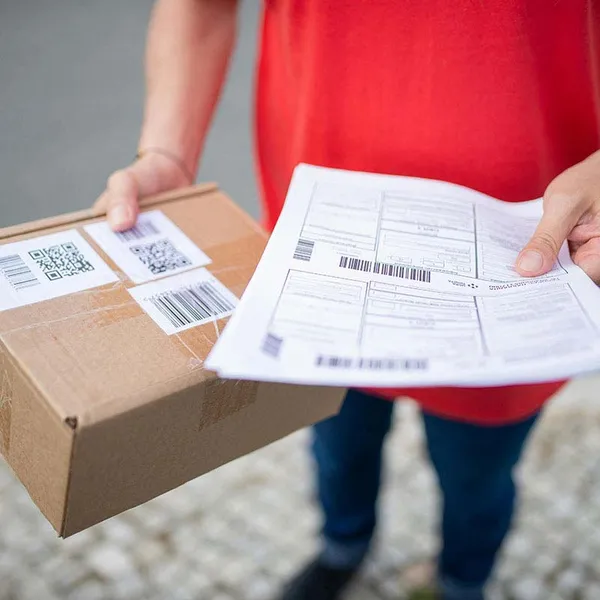
Order preparation: Orders are pulled from inventory. We verify the order is valid (all items in stock, not cancelled, meets cut-off). During pick, identities are checked. During pack, items are verified against the order. The shipment is closed with evidence: a photo, a barcode scan, or a manifest.
Dispatch closure: Before a shipment leaves, we confirm the closure record. The client gets proof: shipment reference, contents, weight, evidence of closure.
Returns receipt: Returns arrive. We verify they match the return reason and the product condition. We triage them: sellable (restock), refurb (rework), nonconforming (quarantine or scrap). Triaged stock doesn't go back into inventory until the triage outcome is confirmed.
Exception handling: When something doesn't fit the rules, it stops. We don't guess. We escalate to the client with the specific issue (missing SKU, order can't close, damaged item, unknown return). The client confirms the next step. We execute it and log it.

FEEDBACK LOOP
FEEDBACK LOOP
Exceptions are operational signals. They show where inputs are incomplete or checks are weak.
When the same exception happens twice, we investigate. Why did a picker grab the wrong item? Was the identifier unclear? Was the label worn? Why did a return come in without a reference? Was the return process unclear? Why did an inbound have discrepancies? Was the supplier not loading correctly?
We trace the exception to the dependency (input, check, or communication). We propose a tightening. We implement it and verify it works. The system gets tighter.
This is how boring operations are built: not by working harder, but by eliminating dependencies that cause repeated failures.

WHAT WE NEED FROM YOU
WHAT WE NEED FROM YOU
For us to operate reliably, you need to provide and maintain clarity on:
These don't have to be perfect. They have to be true and traceable.
- Catalog truth: SKU identifiers, variants, and barcode rules that don't change mid-month or mid-season without notice.
- Channel rules: Cut-off times, next-day logic, proof requirements, and returns discipline by channel or marketplace.
- Inbound expectation: Expected goods, quality baseline, frequency, and batch size. If inbound changes, we need notice.
- Handling constraints: Fragility, labeling, lot/expiry tracking, and any special compliance needs.
- Return policies: Triage definitions, refurb criteria, and what "sellable" means after handling.

WHAT STAYS ON YOUR SIDE
WHAT STAYS ON YOUR SIDE
Even in a full 3PL engagement, some decisions stay with you:
If you change a rule, pricing, or catalog, we need notice so operations can adjust.
- Commercial decisions: Pricing, promotions, discounts, and refund policies. We execute the flow; you own the commercial side.
- Catalog truth: You maintain SKU identifiers, pricing, and product information. We reflect what you tell us.
- Channel management: You manage your marketplaces, storefronts, and integrations. We consume order data from your system.
- Returns authorization: You decide what returns are valid. We receive and triage based on your criteria.
- Inventory funding: You own and finance the inventory. We manage the flow.

COMMUNICATION CADENCE
COMMUNICATION CADENCE
We don't run on phone calls and meetings. Coordination happens in writing.
Email is for scope, specs, documents, and anything that needs a clear trail. Use it for SKU changes, new channels, policy updates, exception investigations.
WhatsApp is for quick operational coordination when speed is urgent. If an order is stuck and you need it fixed today, use WhatsApp. Include one detail that unlocks action: the order number, SKU, or the specific issue.
Weekly exception review (optional, scheduled): If exceptions are high, we schedule a brief sync to review patterns and propose tightenings. This is about improving the system, not explaining what went wrong.
We keep requests traceable and execution controlled. If something breaks, we have a trail to understand why.

NEXT STEP
NEXT STEP
If you tell us where control breaks today—inbound discrepancies, inventory drift, pick accuracy, returns triage, or data sync issues—we'll ask for one concrete example (one SKU + one order + one exception) and come back with the first dependency to close. Contact us to discuss your flow
Map your flowFAQ