About 3PL SPAIN
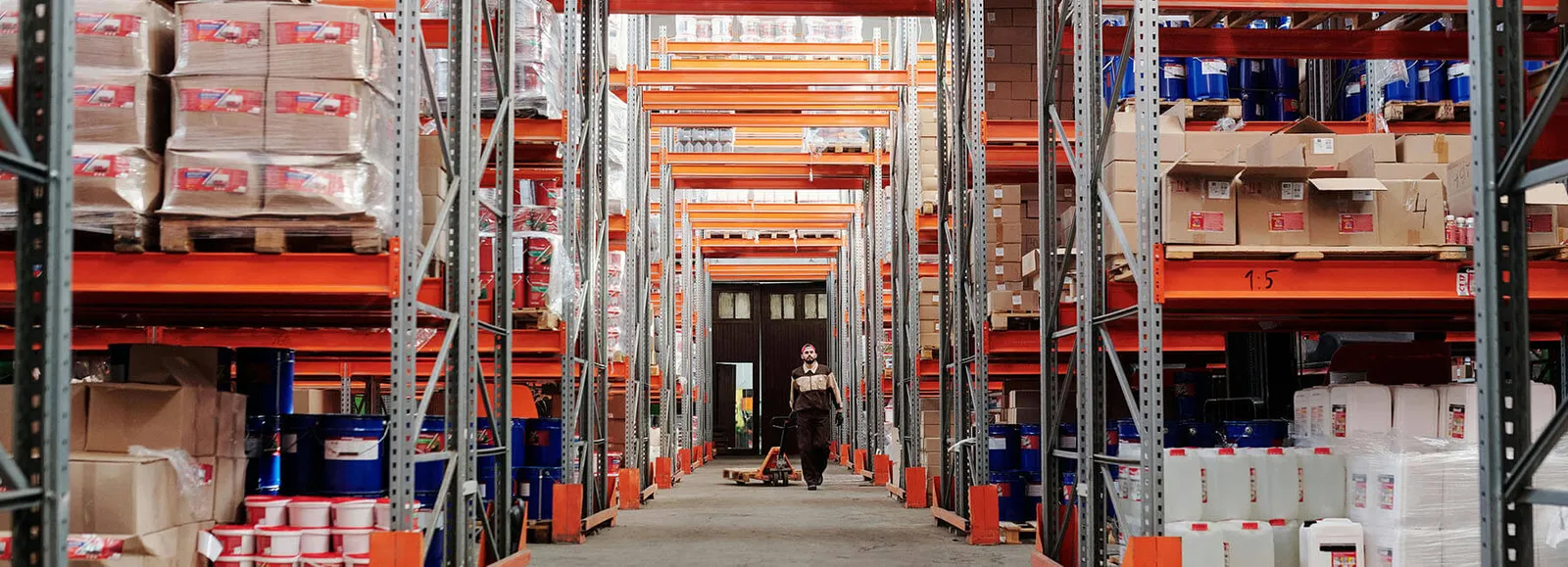
3PL SPAIN is a third-party logistics and fulfillment provider in the Valencia region, Spain. We build operations around execution control: the ability to run stable, predictable flows that stay stable as volume and complexity increase.
- Defined inputs
- Controlled checks
- Clear handoffs
POSITIONING
POSITIONING
Most logistics chaos is not a lack of effort. It is a dependency problem: a missing identifier, a SKU structure that doesn't hold under variants, packaging that looks good online but fails in B2B, an integration that adds speed while quietly removing control.
Our team sits at the intersection of warehouse execution and product engineering, with real exposure to eCommerce, Amazon, and B2B/retail flows. That mix exists for one reason: to make better operational decisions. Product reality, channel constraints, and packaging choices either support control or create repeat exceptions. We build scopes around the first path.
Most logistics providers optimize for speed or cost. We optimize for control: the ability to keep operations boring even as volume and complexity increase. Control is not slow. It is predictable. Predictability is cheaper than surprises.
MODEL
MODEL
We run logistics as a system with three layers. The goal is simple: keep the operation boring, even when complexity increases.
Inputs are the minimum data that prevents guessing. This includes SKU identity and barcode rules, order logic and cut-off definitions, inbound expectations and handling constraints, return states and sellability criteria. If a critical input is missing, we don't accelerate: we clarify.
Checks are the points where errors are caught early, before they become expensive. Verification at receiving matches what arrived against what was expected. Identity controls keep identifiers stable. Closure with proof defines what evidence backs a shipment. Inventory truth reconciles drift instead of hiding it. Exception routing keeps the system clean.
Outputs are decision-ready artifacts: inventory signals you can trust, exception logs that show what broke and why, shipment closure evidence (so disputes don't become guesswork), returns triage that recovers value without contaminating stock.
What enters wrong exits expensive. Control starts early.

SCOPE
SCOPE
We execute the base chain of a well-run 3PL, controlled end-to-end. This includes receiving with verification, live inventory control (inventory truth), order preparation with validation, dispatch closure with proof, and returns triage that recovers value.
When a project requires it, we also run spec-led work that adds complexity safely. This includes kitting and pack builds, labeling and relabeling runs, product conditioning, and quality inspections (including AQL when applicable). The control principle stays the same across all work: what enters wrong exits expensive, so control starts early.
We do not take on storage-only warehousing as a standalone offer. Inventory must have defined flows and live truth. Inventory that sits without movement and without constant reconciliation becomes a liability, not an asset.
DIFFERENTIAL
DIFFERENTIAL
They don't usually come for more speed. They come because something keeps repeating.
A supplier ships mixed versions under the same SKU. A new bundle goes live without a clear component rule. A label revision doesn't fully replace the old one. A marketplace feed changes identifiers and inventory stops being believable. A carrier picks up an order without closure evidence. Returns arrive without clarity on sellability and get mixed back into stock.
We look for the dependency that created the repeat exception. We cut it before it becomes a daily operating cost. Most logistics providers treat exceptions as normal. We treat them as signals of a missing input or a weak check. That difference is fundamental.
The external operations lens means we ask structural questions. Why does this mistake happen repeatedly? Is the SKU identifier ambiguous? Is the inbound expectation unclear? Is the pick rule not documented? Is the closure process not verifiable? We don't just execute faster. We fix what breaks.
That lens comes from experience at the intersection of warehouse floor reality and product engineering. We've seen how a packaging choice that looks good in photos creates rework in the warehouse. We've watched how an ERP bundle definition that works in software fails in practice when physical variance enters. We've traced how a marketplace feed change cascades into inventory confusion. These are not edge cases. They're standard patterns in scaled eCommerce and B2B operations.
GEOGRAPHY
GEOGRAPHY
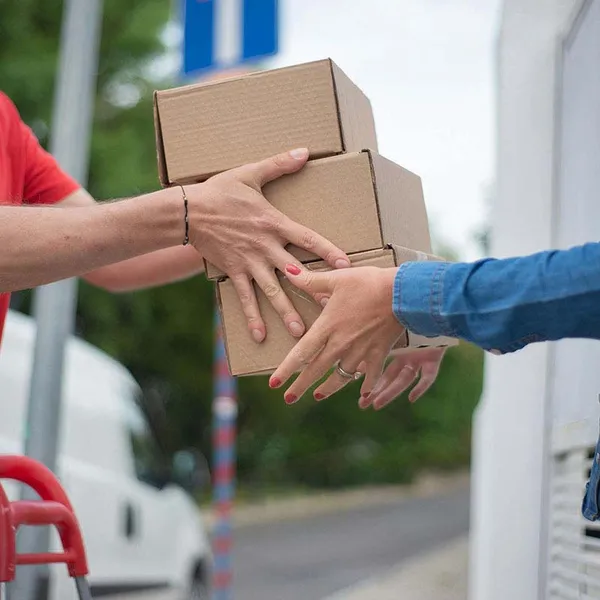
We operate in Spain, based in the Valencia region. We do not publish an exact warehouse address on the website.
The Port of Valencia is proximity advantage for receiving goods and for cross-border EU distribution when applicable. We handle UK shipments case-by-case, depending on the flow and your definition of "done" (speed vs. proof vs. returns discipline). We do not provide customs consulting or handle the commercial side of cross-border compliance.

CONSTRAINTS
CONSTRAINTS
We don't promise what we don't control. These constraints keep scope honest and expectations clean.
If a requirement is not confirmed in the project inputs (fragility, lot tracking, compliance needs, special handling), we treat it as case-by-case and define what must be confirmed before committing.
- No cold chain / temperature-controlled storage. We do not operate refrigerated or climate-controlled space.
- No ADR classes 1 and 7. We do not handle explosives or radioactive materials. For other hazmat categories, we evaluate case-by-case.
- Not storage-only. We work with defined flows and live inventory. Inventory must be moving, reconciling, and truth-maintained. We don't provide space for stock that sits without operational context.
- We do not own or finance client inventory. We execute the flow; you own the goods and the commercial decisions around them.
OPERATIONS & VERIFICATION
OPERATIONS & VERIFICATION
We don't invent metrics, benchmarks, certifications, or named clients to build credibility. We don't guarantee results we don't control.
When we execute a scope, we maintain live signals: real-time inventory reconciliation, exception logs with root cause, shipment closure records. These are not reports to "look good." They are operational truth. If a discrepancy appears, we fix it before it becomes a pattern.
We communicate in writing where it matters (scope, specs, documentation). We use WhatsApp for quick operational coordination when speed is urgent. We keep all requests traceable. If something breaks, we have a trail to understand why.
A 3PL that doesn't maintain real inventory truth becomes a liability, not an asset. If inventory counts drift and the warehouse doesn't reconcile, your system slowly becomes unreliable. Orders ship from phantom stock. Returns get mixed into inventory without verification. The business loses trust in the numbers.
We keep inventory signals real because your operational decisions depend on them. Real-time reconciliation means you know what's actually available, not what the system hopes is there. Exception logs with root cause mean you can spot patterns and tighten your own supply chain. Closure records mean you have evidence when disputes arise, and you can improve packaging or handling based on what actually breaks.
This is not complex. It's basic operational discipline applied consistently.

WHAT WE'RE NOT
WHAT WE'RE NOT
We are not a cold chain provider. We are not a hazmat specialist for ADR classes 1 and 7. We are not a storage rental service (inventory must be moving and true, not sitting). We are not a customs consulting firm. We are not a platform integrator (you manage your Shopify or Amazon; we consume orders from it).
We are specialists in defined flows with live inventory control. If your need falls outside that, we'll be honest about it.

NEXT STEP
NEXT STEP
If you share a bit of context—one SKU, one typical order, one recurring exception, and your current stack (store/marketplace + ERP or OMS if any)—we'll tell you quickly whether the flow is a fit and which dependency is most likely breaking control today. Request a quote or contact us
Map your flowSAMPLE SCENARIOS
SAMPLE SCENARIOS
Scenario 1: Inventory chaos from variant confusion
You sell the same base product in five colors and three sizes. Your supplier ships them all under the same SKU. Your marketplace feed shows variant combinations that differ from physical reality. Pickers grab the wrong size. Returns come back labeled wrong. Inventory numbers don't match reality.
We'd define a single product SKU with child identifiers for each variant. Receiving would tag each unit by variant. Pick rules would require a barcode match, not visual guessing. Returns would be triaged by actual variant received, not assumed. Inventory would be true.
Scenario 2: Shipping without proof
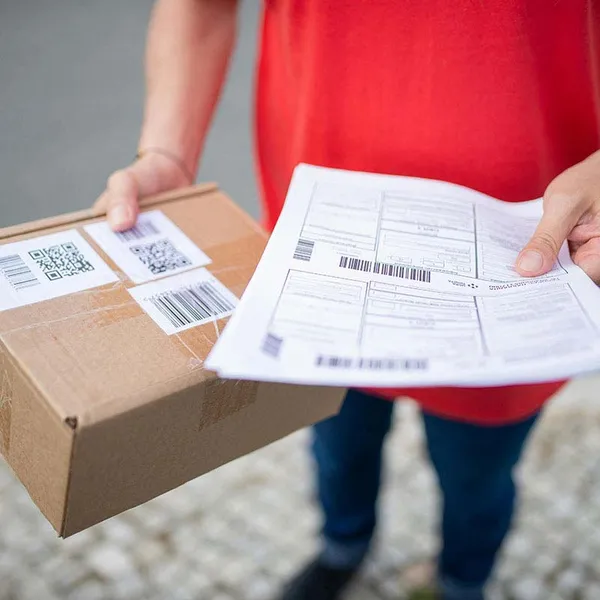
You ship orders, but there's no closure evidence. A customer claims they never received something. You check the carrier and confirm pickup, but nothing else. No photo of what was packed. No barcode scan of the carton. No manifest with contents listed. You can't prove what left.
We'd define a closure process: every shipment gets a photo before sealing, a barcode scan, and a manifest with contents and weight. That closure record lives in your system. If a dispute arises, you have evidence. The process takes one minute per shipment and eliminates guessing.
Scenario 3: Returns as a black hole
Returns arrive. Sometimes they're sellable, sometimes they're damaged, sometimes they're missing parts. You don't know which is which. They get mixed back into inventory. Customers receive damaged items as "new." You lose trust and margin.
We'd triage every return on arrival: verify condition, confirm against the original reason (if documented), and sort into outcomes (restock, refurb, nonconforming). Sellable stock doesn't go back into inventory until the triage is confirmed. Returns become a signal, not a liability.

FAQ