B2B Fulfillment in Spain Without Chargeback Drift
B2B fulfillment is not just shipping bigger orders. It means executing purchase orders to retailer and distributor specifications: correct carton labels, pallet configuration, ASN when required, appointments, and documentation that closes the handoff cleanly.
- PO execution
- Routing guide discipline
- Documented handoffs
B2B FULFILLMENT SERVICES
Purchase order execution, carton logic, labels, appointments, closure
Retail and wholesale buyers do not judge only whether goods arrive. They judge whether goods arrive to spec. The operation has to embed the buyer rules before the first PO is picked.

PO Validation
Purchase orders are checked against available stock before pick starts, so shorts are visible before the shipment reaches the buyer.
Carton and Pallet Build
Units per carton, mixed-carton rules, pallet configuration, weight limits, and receiver requirements are executed from the operating spec.

Compliance Labeling
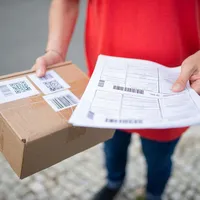
Carton labels, GS1 barcodes, SSCC labels, pallet tags, and buyer-specific label formats are treated as controlled versions.

ASN and Documentation
Packing lists, delivery notes, ASN data, and carrier handoff references are closed before the outbound becomes impossible to reconstruct.
Appointment and Routing Rules
Buyer delivery windows, approved carriers, appointment references, and receiving constraints are part of the outbound protocol.

Exception Control
Partials, substitutions, shortages, label mismatches, and unclear buyer rules are escalated before dispatch, not hidden inside the shipment.
B2B VS ECOMMERCE
The unit of work is the purchase order
Ecommerce fulfillment executes individual consumer orders. B2B fulfillment executes buyer-controlled purchase orders. That difference changes labels, cartons, pallets, documentation, delivery mode, and risk.
- B2B: purchase order, buyer routing guide, palletized dispatch, compliance labels, appointment rules
- Ecommerce: consumer order, parcel carrier, pack standard, customer confirmation
- Both can run from one warehouse only when channel segregation is explicit
PROCESS
How a B2B shipment moves through the operation
Most B2B failures are predictable. The process prevents missing rules, assumed stock, uncontrolled labels, and undocumented exceptions.
Receive and validate the PO
The PO is checked against stock, buyer rules, and required documentation before execution begins.
Authorize pick against confirmed stock
Pick starts only when the inventory position is clear enough to avoid silent shortages.
Build cartons and pallets to buyer spec
Carton counts, mixed-SKU rules, pallet configuration, and weight limits follow the routing guide.
Generate and verify compliance labels
Label format, barcode, SSCC, placement, and version are checked before the outbound closes.
Send ASN and book appointment when required
Buyer timing and delivery constraints are handled before goods are staged for departure.
Dispatch with proof
The shipment closes with what was picked, packed, dispatched, and accepted by the carrier.
LABEL VERSION CONTROL
Routing guide changes are spec changes
Buyer label formats and routing guides change. The risk is not the change itself; it is old and new rules leaking into the same live operation.
- New label templates are tested before they go live
- Previous label versions are retired from production and WIP
- Routing guide updates are applied to the operating spec, not left in an email thread
- The new version is live only when the old one cannot silently reappear

RELATED SERVICES
Services that pair with B2B fulfillment in our operation
These three services are most often combined with B2B fulfillment in real client setups.
Fulfillment
B2B fulfillment runs the same chain backbone — receiving, inventory, dispatch — with different cadence and pallet-level outputs.
Packaging
B2B packaging is about case packs, palletisation rules and retailer compliance — not the DTC unboxing layer.
Labeling
Retailer-mandated labels (GS1, SSCC, custom) sit at the centre of B2B compliance; getting them wrong fails the delivery.
YOUR OPERATIONS BASE IN SPAIN
Retail and wholesale execution, run from Spain
We support B2B and wholesale flows for brands shipping to retail chains, distributors, and B2B buyers across Spain and Europe.
Talk to OperationsMIXED OPERATIONS
B2B and D2C can share a warehouse, not a vague workflow
The same SKU may serve a B2B PO and ecommerce orders. Without explicit allocation and station rules, one channel will contaminate the other.
- PO-allocated stock is reserved before pick begins
- B2B and ecommerce pack stations use different rules and documentation
- B2B palletized outbound and parcel outbound are staged separately
- Exceptions follow a documented path instead of relying on operator judgement
LIMITS
What this B2B fulfillment scope does not cover
Clear boundaries prevent B2B fulfillment from becoming vague logistics consulting or unsupported compliance claims.
- No standalone EDI connectivity service
- No retailer contract negotiation or chargeback dispute consulting
- No temperature-controlled goods or ADR class 1 and 7
- Routing guides and buyer requirements must come from the client or buyer

GET STARTED
Map your B2B flow with us
A useful scope starts with the buyer rules and the operational reality. We need to know how POs arrive, what the buyer requires, what labels and documents are mandatory, and where chargeback risk appears today.
- Buyer routing guides, carton rules, pallet configuration, and label formats
- PO source: EDI, portal, email, or manual workflow
- ASN, appointment, delivery note, and carrier requirements
- Current failure modes: shortages, chargebacks, label errors, late appointments, or disputes
FAQ