Cross-Docking in Spain Without Losing Control
Cross-docking fails when it is treated as simply moving goods fast. We run inbound-to-outbound redistribution from the Valencia region with expected inputs, destination segregation, cut-off discipline, and dispatch proof.
- Fast redistribution
- Controlled segregation
- Dispatch with proof
CROSS-DOCKING SERVICES
Receive, verify, identify, segregate, stage, dispatch
Cross-docking works when each step prevents downstream ambiguity. The goods move quickly because the inputs, labels, lanes, and closure evidence are clear.
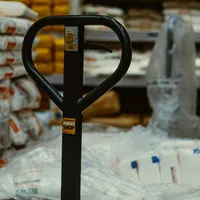
Receiving Window and Expectation Check
Inbound is tied to an expected file: ASN, packing list, route split, PO references, carton IDs, or pallet identifiers.

Verification and Exception Capture
Counts, visible damage, and mismatches are logged and separated before exceptions contaminate outbound lanes.
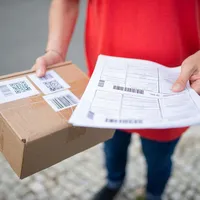
Identification and Labeling
Cartons and pallets are identified for destination and transit logic when incoming markings are incomplete or inconsistent.

Destination Segregation
Ship-to, route, carrier, appointment, and cut-off logic define physical lanes that do not bleed together.

Staging With Cut-Offs
Outbound staging is organized by departure time and carrier constraints. Late arrivals become managed exceptions.

Dispatch Closure With Proof
Every exit is closed with what shipped, where it went, when it left, and under which references.
WHAT IT IS
Cross-docking is a service mode, not storage
Cross-docking moves goods through the warehouse with minimal dwell time. Control is usually built at carton or pallet level: IDs, destination split, route references, and dispatch closure.
- Use cross-docking for redistribution, store replenishment, hub-and-spoke flows, and fast B2B route feeding
- Use warehousing when inventory must live over time with location and stock discipline
- Use fulfillment when unit-level order picking and pack-out are required

PROCESS
How we run cross-docking on the floor
The work is simple only when the expected inbound and outbound lane rules are known before the truck arrives.
Tie inbound to expectations
The shipment is matched to ASN, packing list, destination split, or equivalent expected file.
Verify and isolate exceptions
Short counts, damage, overages, and missing references are logged and separated early.
Identify and label when needed
Cartons or pallets receive consistent identifiers if the inbound does not already support clean sorting.
Sort by destination lane
Physical lanes separate ship-to, route, carrier, appointment, and cut-off logic.
Stage to outbound cut-offs
Goods are staged by departure window. Missed cut-offs are managed as explicit holds.
Close dispatch with proof
The final record shows what left, where it went, and what remained in exception.
INPUTS
Speed starts with clean inputs
If the destination split lives in an email thread and cartons arrive unmarked, speed becomes risk. We need enough structure to sort without guesswork.
- Expected inbound: carton or pallet counts, identifiers, PO references, route references
- Destination logic: ship-to list, routes, carriers, cut-offs, appointment constraints
- Label standards: format and placement when receivers require it
- Exception rules: shortages, overages, damage, missing fields, and late arrivals

RELATED SERVICES
Services that pair with Cross-docking in our operation
These three services are most often combined with Cross-docking in real client setups.
Warehousing
Cross-docking and warehousing are operational opposites — one minimises storage time, the other manages it; both can coexist for different SKUs.
Fulfillment
Cross-docking is fulfillment without the storage step — useful for fast-moving SKUs, time-sensitive deliveries and container flow-through.
International logistics
Cross-docking pairs naturally with container inbound from international shipments — straight from port to outbound carrier.
PORT-SIDE OPERATIONS
A practical base for inbound and redistribution
Operating port-side on the eastern coast of Spain keeps inbound, regional distribution, and controlled handoffs practical when lane rules are defined.
Talk to OperationsEVIDENCE
Redistribution needs proof, not memory
Cross-docking is vulnerable because goods move quickly. The evidence pack makes the fast movement auditable.
- Receiving discrepancy logs
- Exception segregation records
- Lane, staging, and cut-off adherence records
- Dispatch closure tied to carton, pallet, destination, or route references

LIMITS
What cross-docking does not cover
Cross-docking is controlled redistribution. It is not a substitute for storage, D2C fulfillment, or undefined product processing.
- No storage-only scope inside cross-docking
- No D2C unit-level order fulfillment inside this service mode
- No PO-based wholesale build by default unless scoped as B2B fulfillment
- No cold chain or ADR class 1 and 7

GET STARTED
Map your cross-dock flow with us
A useful scope starts with the practical handoff facts: what arrives, how it is identified, where it needs to go, how fast it needs to move, and what exceptions look like today.
- Expected inbound format and reliability
- Destination split logic, ship-to list, routes, carriers, and cut-offs
- Label requirements and receiver constraints
- Current exception pattern: shortages, damages, missing references, late cartons
- Dwell-time expectation: same-day, next-day, or staged windows

FAQ