Technology at 3PL SPAIN — Systems That Keep Inventory Truthful, Not Just Visible
The technology stack at 3PL SPAIN is built around one function: keeping what the system says matches what exists in the warehouse. Inventory truth is the foundation of every other control — accurate picking, correct dispatch, reliable reporting, and trustworthy integrations all depend on it. This page explains how our systems support that, and what we don't claim they do.
- Defined inputs
- Controlled checks
- Clear handoffs
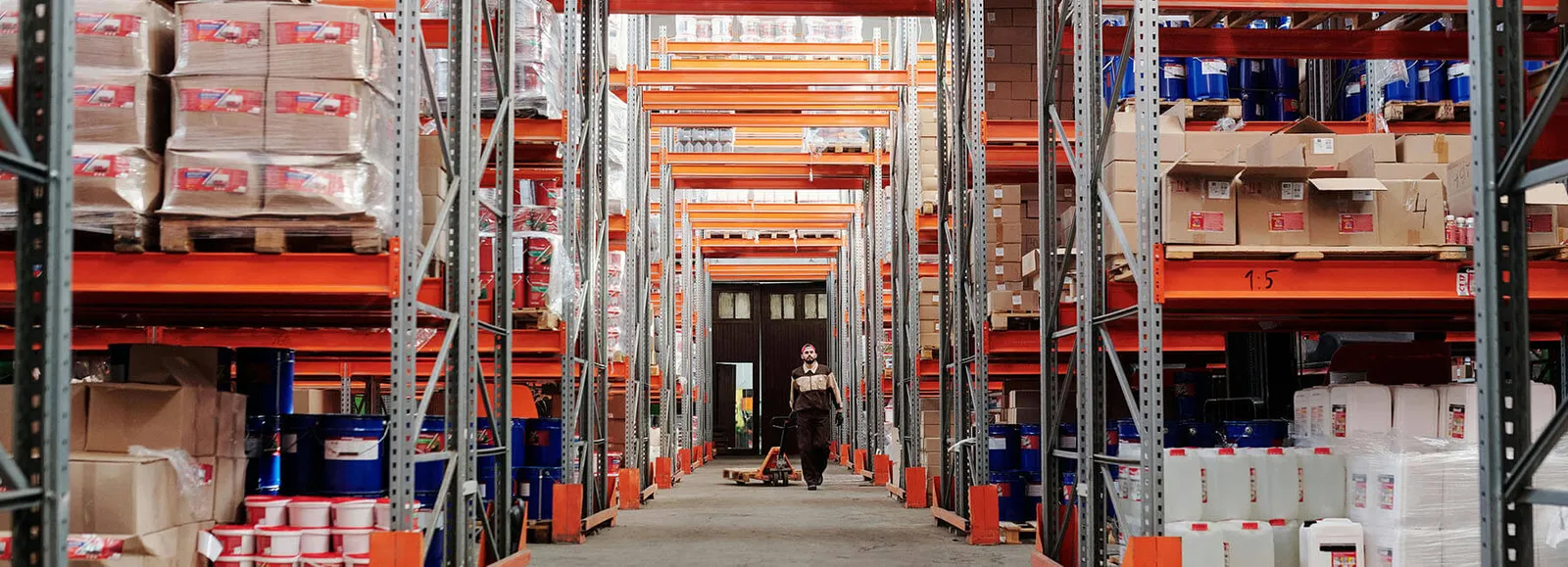
THE ROLE OF TECHNOLOGY IN WAREHOUSE OPERATIONS
The role of technology in warehouse operations
Technology in a fulfillment operation serves a specific purpose: reducing the gap between system records and physical reality. That gap is where errors live. When a system says a SKU is in location A and it's actually in location B, every downstream process — picking, dispatch, inventory reconciliation — is working from a lie.
Our WMS (Warehouse Management System) manages location-level inventory: where stock is, in what quantity, in what lot or batch when applicable, and what has moved and when. It is not a dashboard for marketing — it's the operational record that governs physical decisions.
WMS — Warehouse Management System: Software that tracks inventory by location within the warehouse, manages inbound receipts, directs pick paths, records movements, and reconciles physical stock against system records. The WMS is the source of operational truth for everything that happens inside the four walls.
HOW TECHNOLOGY SUPPORTS EACH PHASE OF OPERATIONS
How technology supports each phase of operations
Inbound and receiving. When goods arrive, they are received into the WMS against an expected inbound — a purchase order, an ASN, or a confirmed delivery notice. Every unit scanned creates a record. Discrepancies between what was expected and what arrived are flagged in the system before putaway, not discovered weeks later in a stock count.
Storage and inventory control. Stock is assigned to specific locations in the system. Movements are recorded. Cycle counts and spot checks are reconciled against system records, not against memory. When the system and the shelf disagree, the discrepancy is investigated — not averaged away.
Order processing and picking. Orders are received from your platform or ERP through our integration layer. The WMS validates stock availability before pick is confirmed. Pick paths are directed by the system. Scans at the pick station confirm the right SKU and quantity before the unit moves to packing.
Integrations. We connect with ecommerce platforms (Shopify, WooCommerce, Amazon), ERPs, and OMSs through standard integrations. The integration layer handles order receipt, inventory status updates, and shipment confirmation. Integration depth and reliability depend on what your system can send and receive — we confirm this during onboarding, not after go-live. See /integrations/ for technical scope.
Reporting. We provide operational reporting on the signals that matter: inventory positions, inbound receipts, order execution, discrepancies, and exception counts. Reports are designed to support decisions, not to fill slides.

OPERATIONAL REPORTING: THE SIGNALS THAT MATTER
Operational reporting: the signals that matter
Useful operational reporting answers specific questions that drive decisions. It does not fill dashboards with metrics that nobody acts on.
The signals we track and report for every operation include:
Reporting cadence and format are defined during onboarding. Most clients prefer a daily exception report and a weekly inventory summary rather than live dashboards — because the dashboard is only as useful as the data it draws from, and data quality is a process problem, not a technology problem.
- Inbound receipt confirmation: what arrived, what was expected, what the discrepancy was (and whether it was documented before putaway)
- Inventory position: current quantity by SKU by location, updated as movements are recorded
- Order execution status: orders received, orders in pick, orders dispatched, orders with exceptions
- Pick exception rate: how often a pick scan fails to confirm (wrong SKU, wrong quantity, missing stock) — a leading indicator of inventory accuracy problems
- Returns intake: units received, triage state assigned, back-to-stock cleared vs quarantine
AUTOMATION AND AI: THE CURRENT REALITY
Automation and AI: the current reality
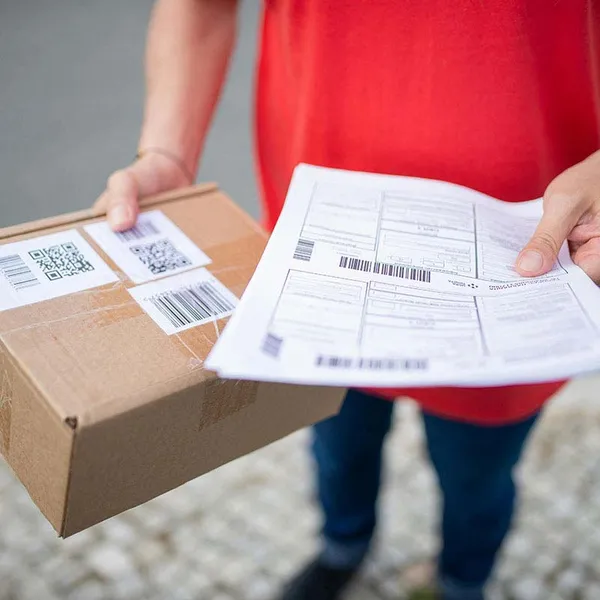
Automation in warehouse operations means different things at different scales. At the scale 3PL SPAIN operates, the most impactful "automation" is not robotics or conveyors — it is systematic scan-validation that removes human judgment from the accuracy-critical steps of picking and receiving.
We apply automation where it reduces errors, not where it adds complexity without proportional benefit. Barcode scanning at pick and receiving, system-directed putaway, and integration-based order receipt are standard. More advanced automation (goods-to-person systems, autonomous mobile robots) makes economic sense at much higher order volumes and is evaluated on a case-by-case basis for specific client contexts.
AI tools in the warehouse operations context are currently most useful for demand signal analysis, routing optimization, and exception pattern detection — not for the physical execution of pick and pack. We are actively monitoring developments in this space and will integrate AI-assisted tooling where it meaningfully improves accuracy or reduces exception handling time.

WHAT TECHNOLOGY DOES NOT DO
What technology does not do
Clarity about what systems can't guarantee is as important as describing what they support.
Technology does not replace physical discipline. A WMS records what operators scan. If a unit is put away in the wrong location without a scan, the system records the wrong location. The technology supports the process; it doesn't substitute for it.
We do not claim real-time inventory synchronization without qualification. Inventory sync between our WMS and your platform depends on integration configuration, sync frequency, and how quickly exceptions (damaged units, returns in triage, partials) are resolved and posted. We define sync expectations during onboarding and design manual fallbacks for when sync has a gap.
We do not sell technology as a feature. A WMS that no one trusts is not a competitive advantage — it's a more complex way to be confused. Our position is that systems serve operations, not the other way around.

FAQ
Frequently Asked Questions
What warehouse management system (WMS) do you use?
Can your systems integrate with Shopify, WooCommerce, or Amazon?
How do you handle inventory discrepancies between your system and our platform?
Do you provide real-time inventory visibility?
Can you track lot numbers, expiry dates, and FIFO/FEFO rotation?
NEXT STEP
Map your flow with us
Share the operational context and we will identify what needs to be clarified before execution starts.
Map your flow